<Re-peel>
Accept yourself as you are, and love yourself. Yet for us, those words can sometimes feel unbearably difficult. Love always seems to leave something behind. Zhuangzi once said that fruit is a gift of nature. Even when we try, as in his philosophy, to accept nature as it is and live according to its order, we still end up leaving something behind in the process.
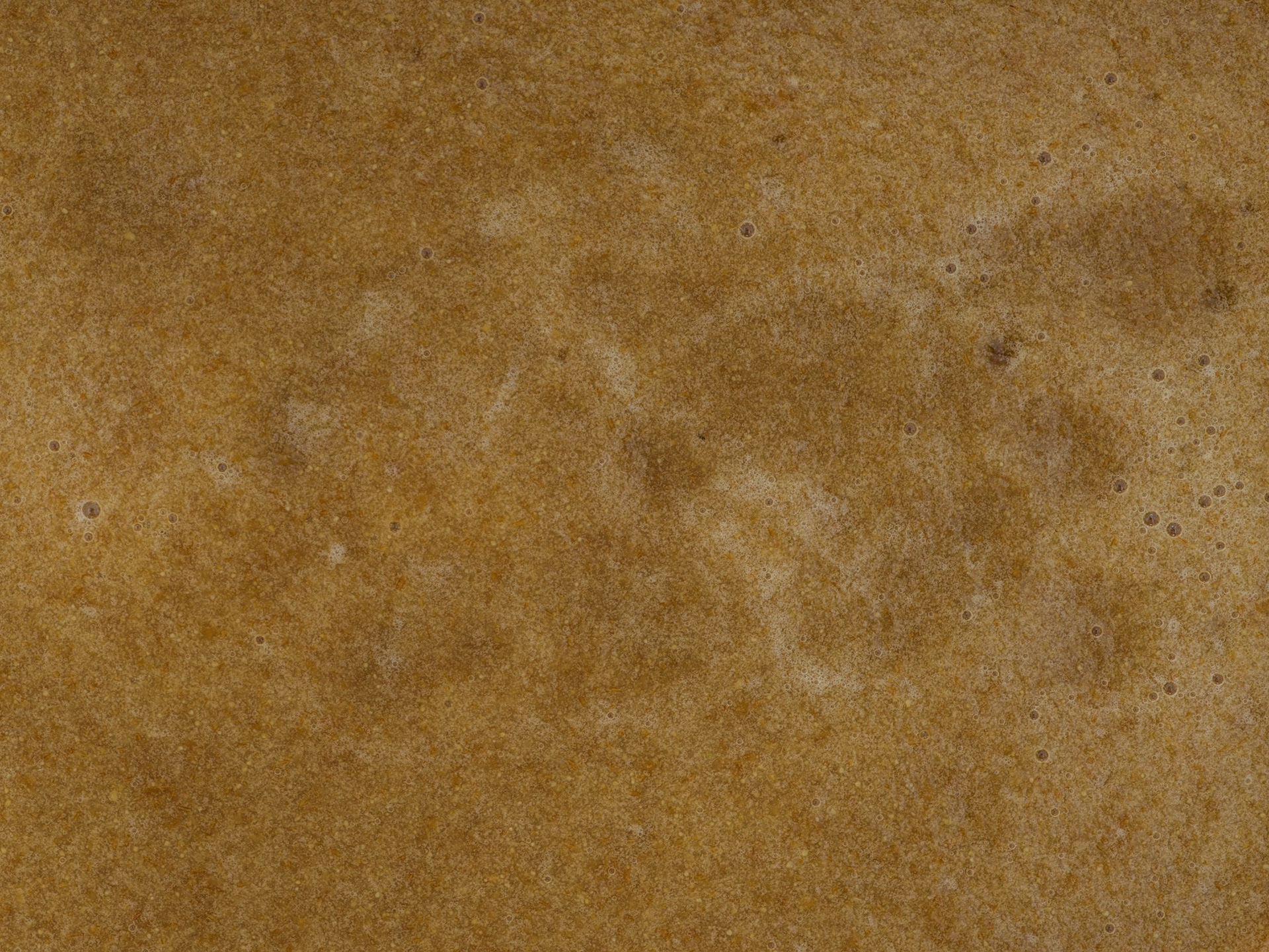
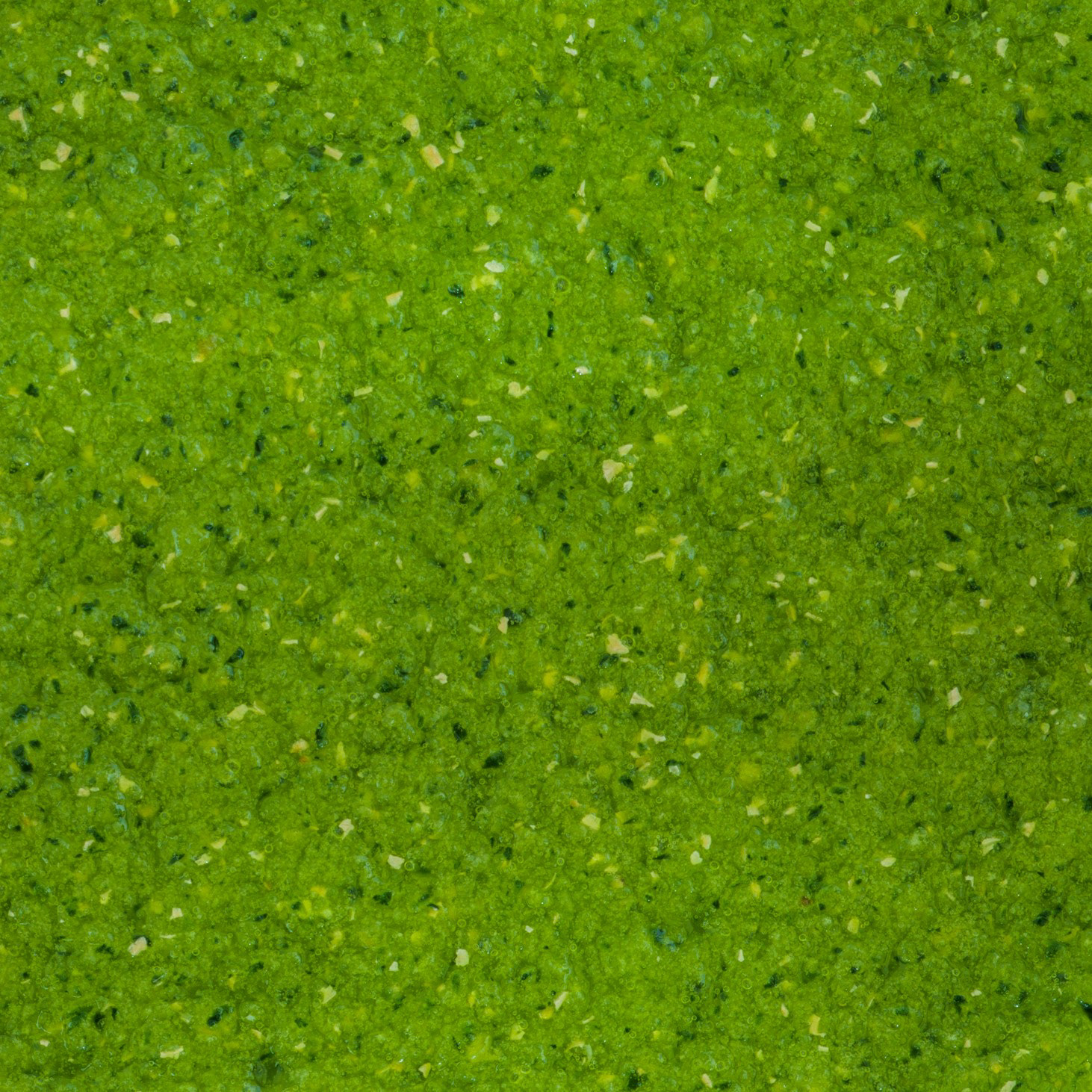
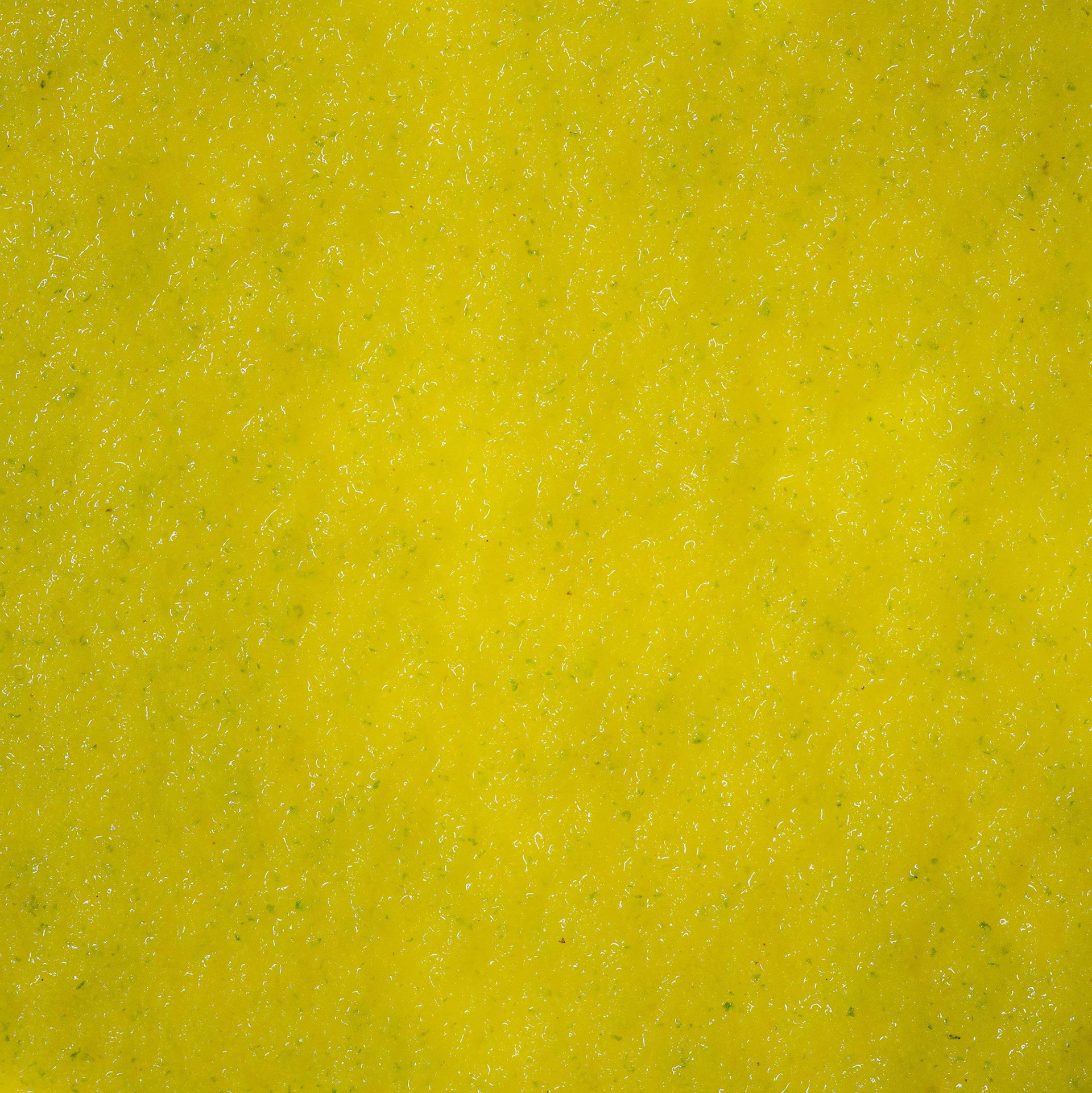
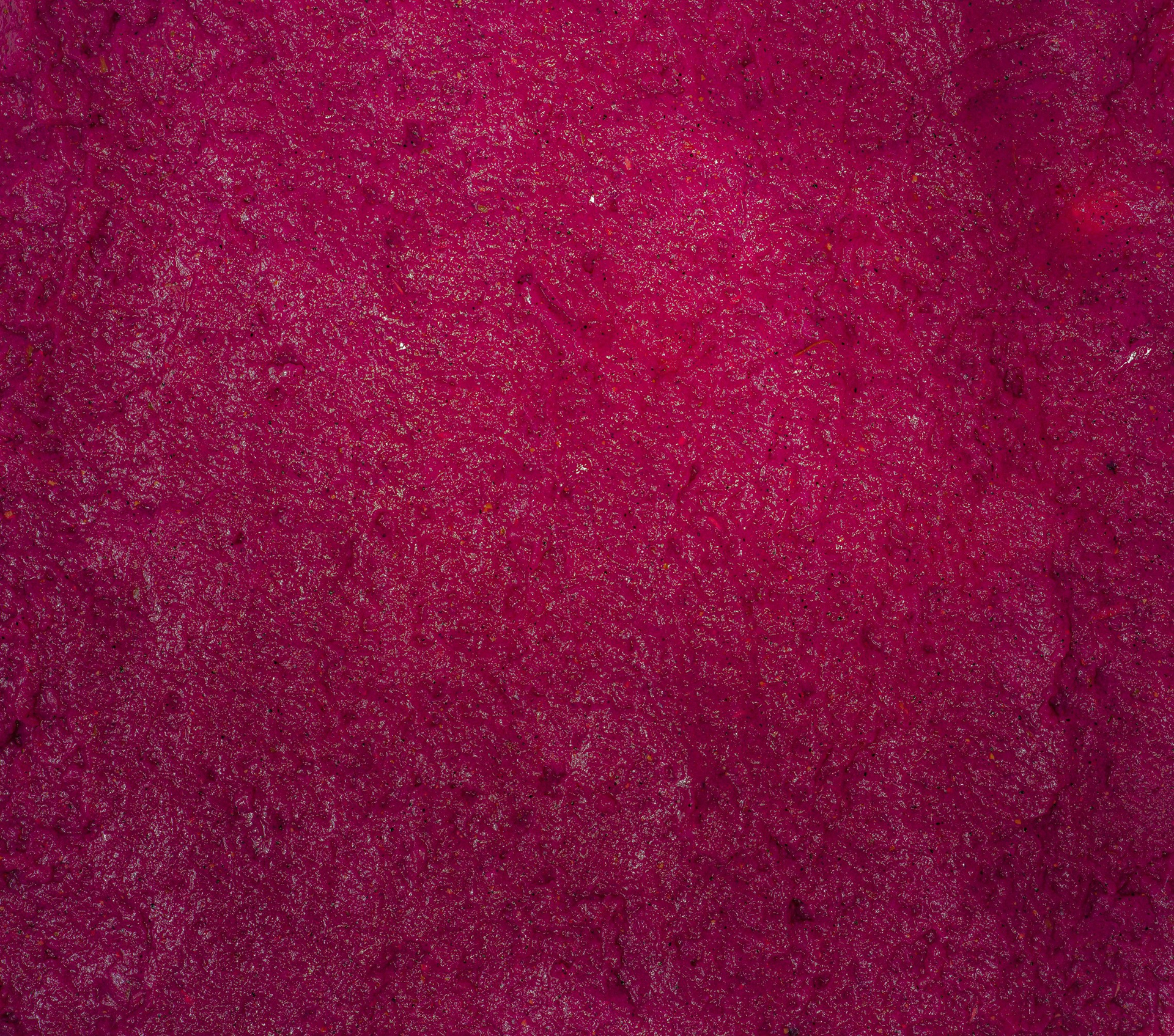
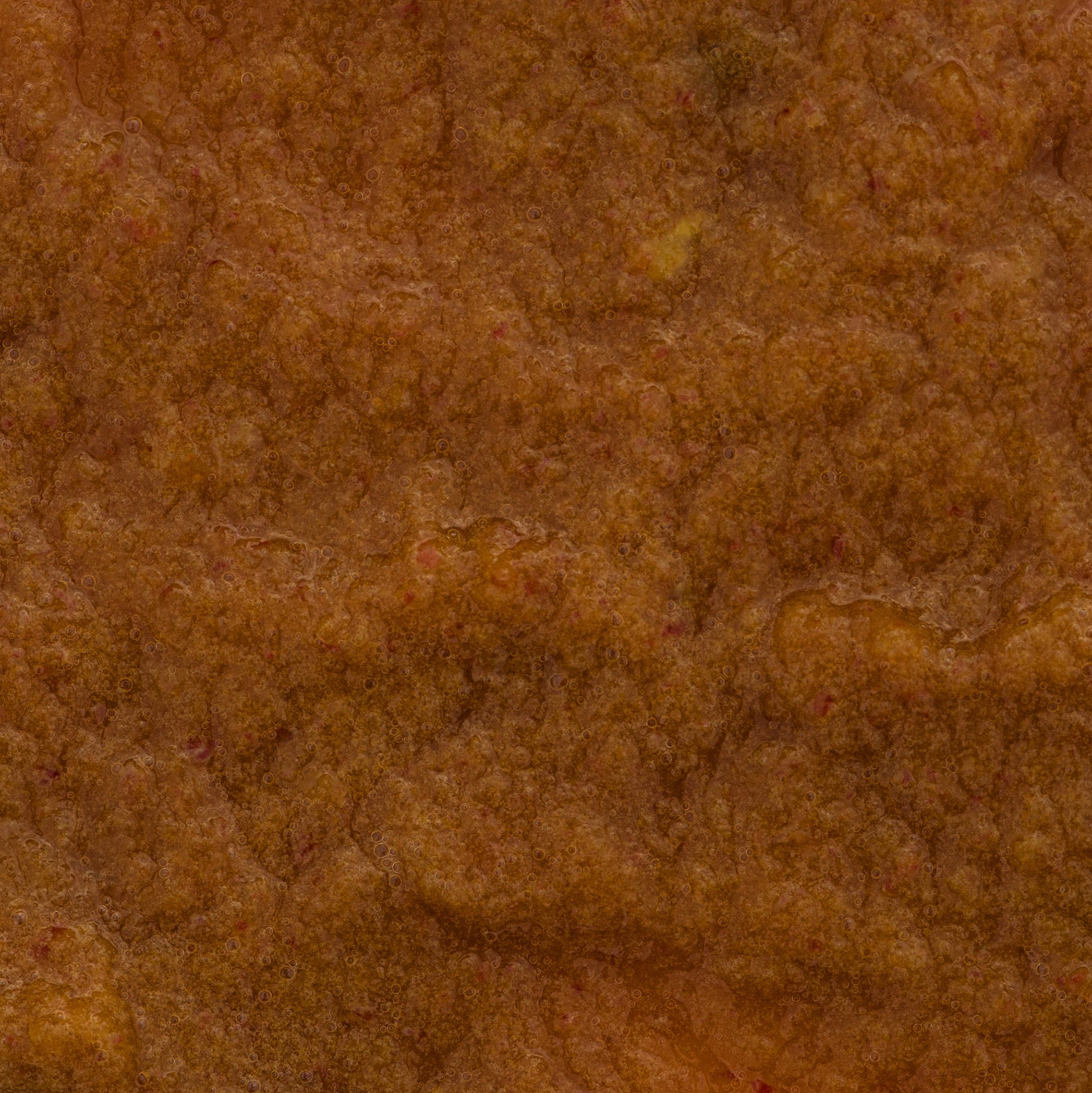
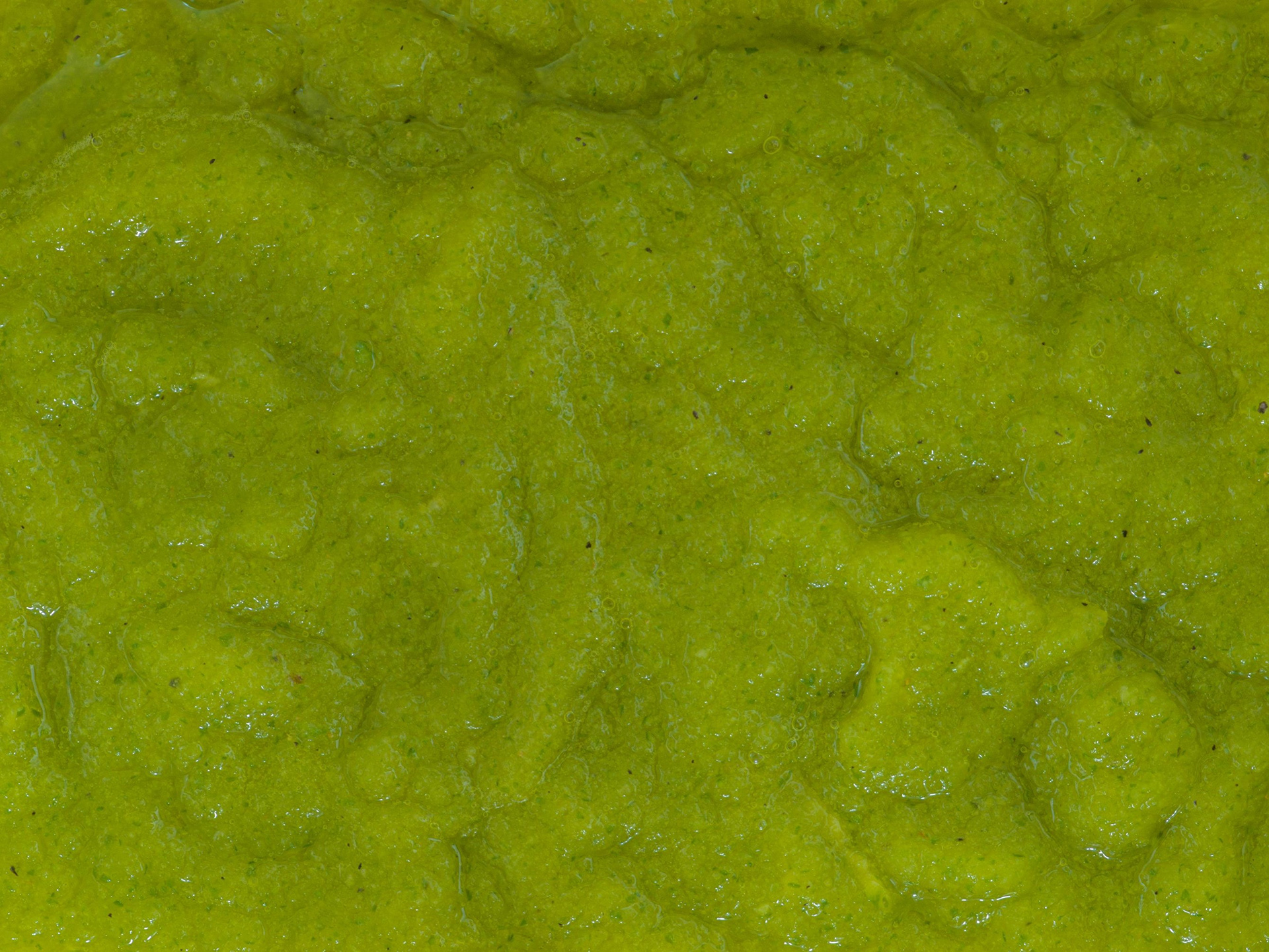
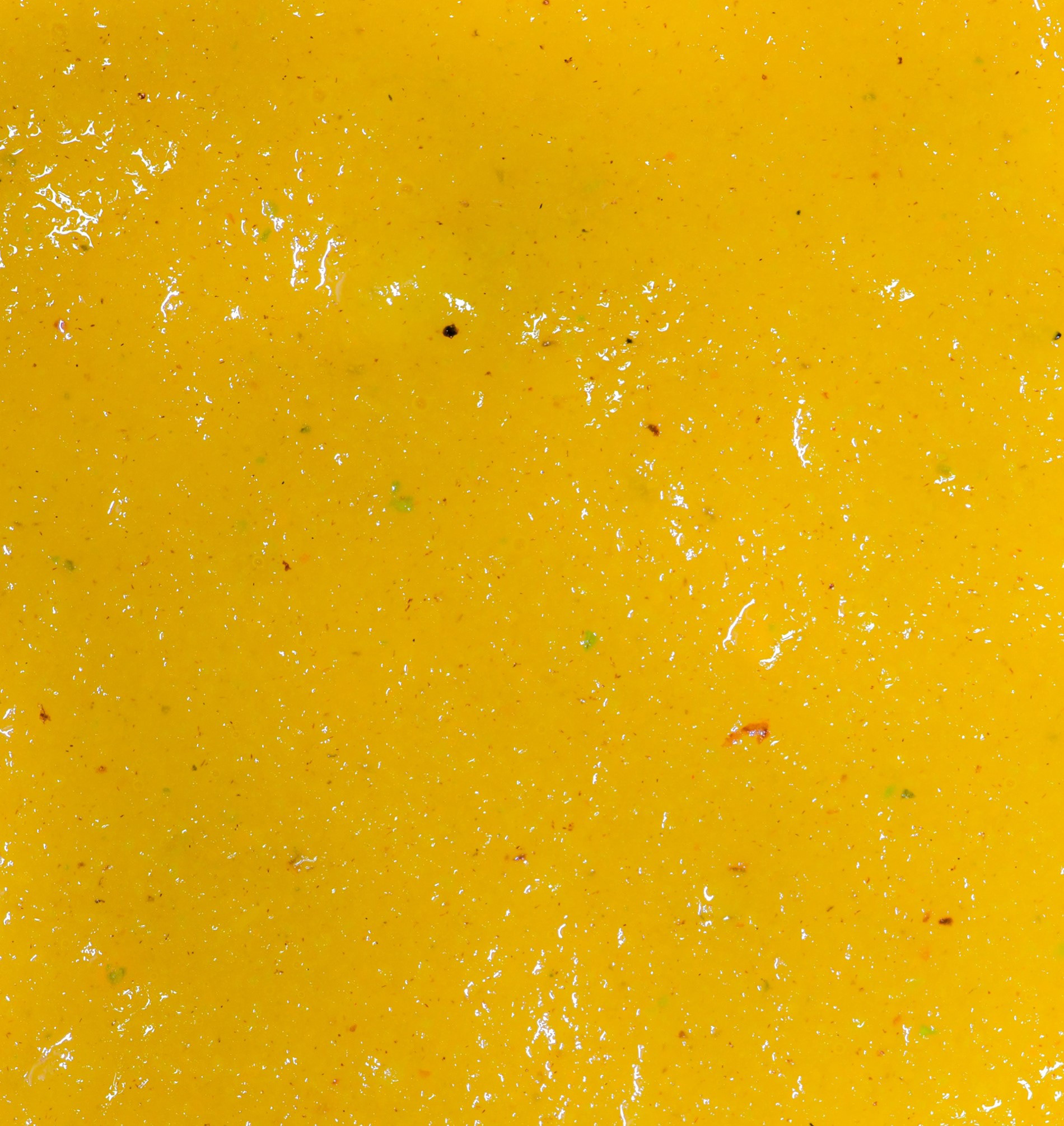
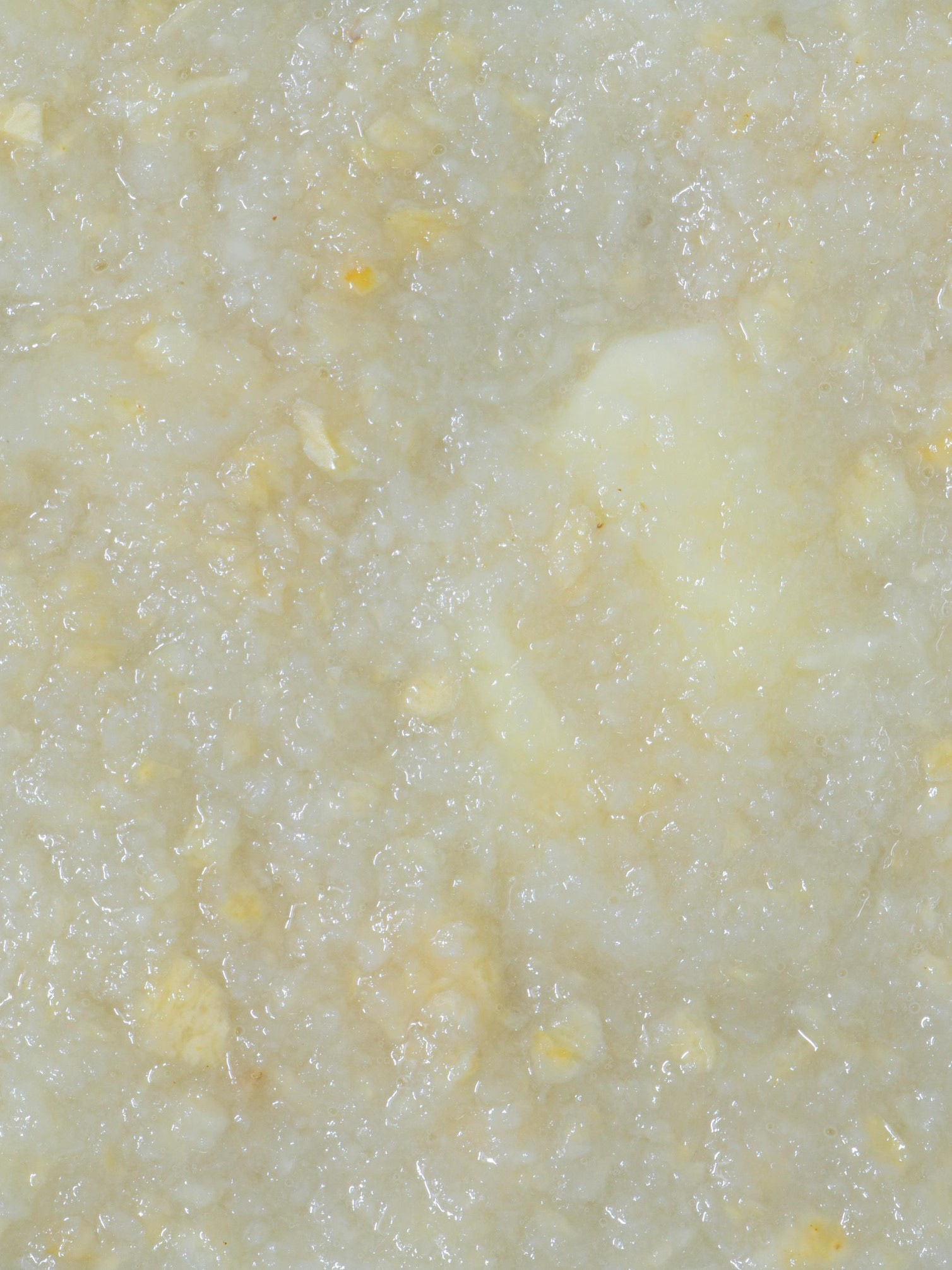
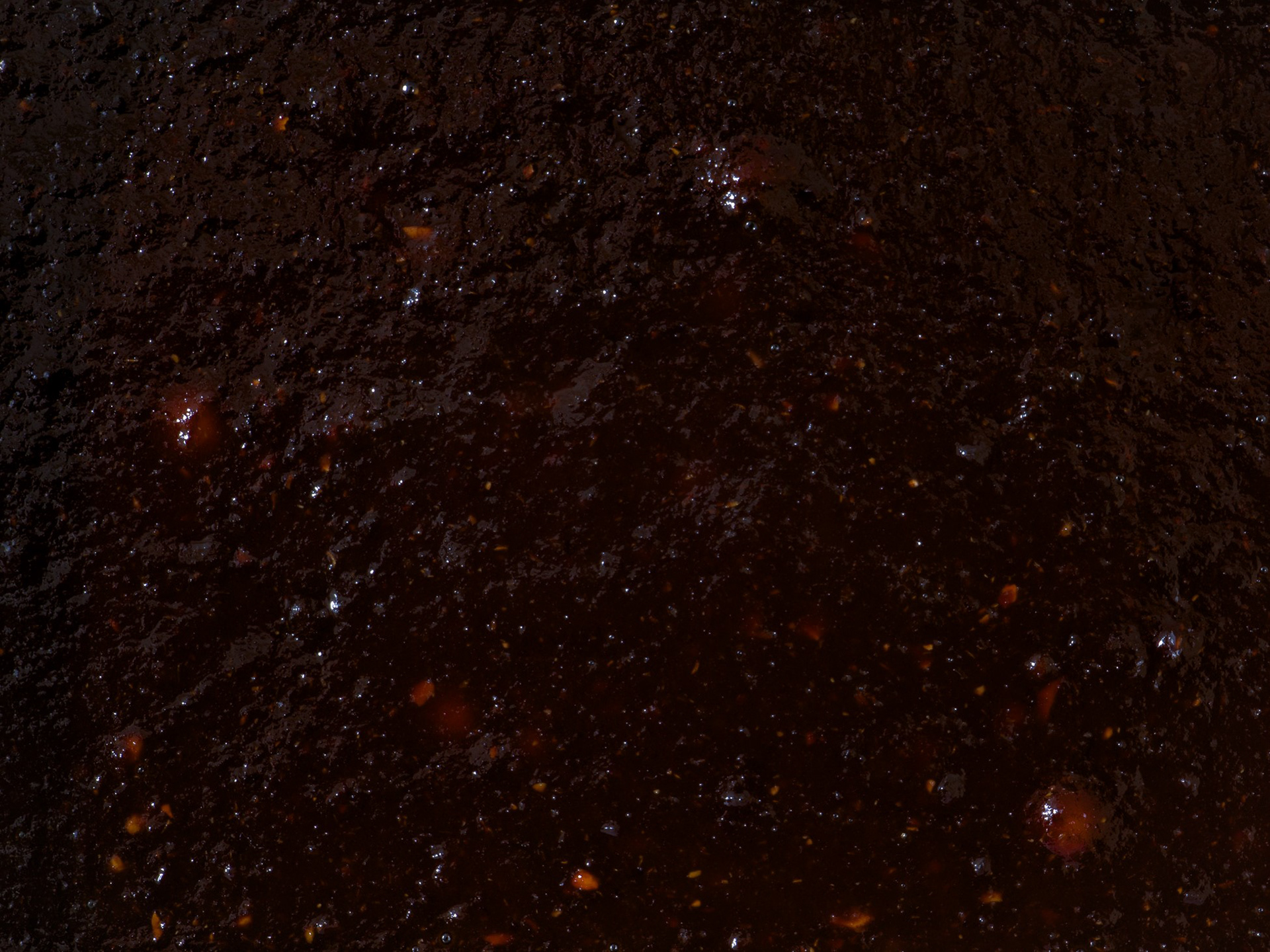
Fruit is made up largely of flesh and peel. As we bite into its sweet flesh, we savor nature’s gift, but the peel remains. For humans, perhaps the peel is too rough, too hard, too difficult to fully accept. Even if those leftover peels are not love itself, I do not want to forget that such byproducts were still part of a whole love. I gather those peels the discarded ones, the unloved ones. When they are crushed, broken apart, and layered with the juice of the cherished flesh, they begin to intermingle and are reconfigured into something entirely different.
As peel and juice blend together and are born again in a new form, could this too be another shape of love? Even if it is no longer its original form, if the parts that were not loved become entangled and create a new story together, might that not also be a kind of love? In the process by which discarded peels and juice come together to form a new narrative, I sense the possibility of a new kind of love even if it is not the love they once were.
과일은 크게 과육과 껍질로 이루어져 있다. 달콤한 과육을 한입 베어 물며 우리는 자연의 선물을 음미하지만, 껍질은 남는다. 인간에겐 그 껍질이 너무 거칠고, 너무 단단해서 온전히 받아들이기엔 버거운 모양이다. 남겨진 껍질들이 비록 사랑이 아니라 해도, 그 부산물들이 온전한 사랑의 일부였음을 잊지 않으려 한다. 나는 그 껍질들을 모아간다. 버려진, 사랑 받지 못한 껍질들. 갈리고, 부서지고, 그 위에 사랑 받는 과육의 과즙이 얹혀져서 서로 어우러질 때, 비로소 전혀 다른 모습으로 재구성된다. 껍질과 과즙이 섞이며 다시금 새롭게 태어난 이 모습도, 또 하나의 사랑의 형태일까? 비록 원래의 모습은 아니더라도, 사랑 받지 못했던 부분들이 서로 엉켜 새로운 이야기를 만들어 낸다면, 그것도 하나의 사랑이 될 수 있지 않을까?
버려진 껍질과 과즙이 어우러져 새로운 이야기를 만들어 내는 과정에서, 비록 원래의 모습은 아니더라도 새로운 사랑의 가능성을 느낀다.